At I Belong Here, we believe that creating workplaces where people feel seen, valued, respected, and included begins with honest conversations. Those conversations are not always easy, but they are essential to building cultures of belonging and psychological safety.
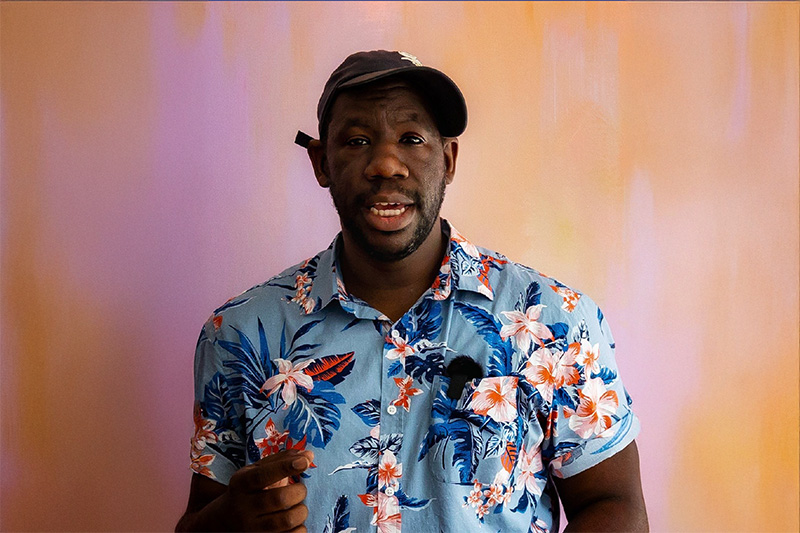
Jamil Webster has spent years navigating what it means to be both a participant in and an advocate for more inclusive workplaces. His perspective offers a powerful reminder that meaningful change requires more than good intentions. It requires action.
Moving the Conversation Forward
When asked about the role he plays in advancing inclusion, Jamil points to the importance of having conversations many people still avoid.
As someone who has experienced life from multiple perspectives, he believes he has an opportunity to help others engage with difficult topics and ask challenging questions. He acknowledges that no single person has all the answers, but he sees value in creating space for learning, dialogue, and understanding.
More importantly, Jamil believes lasting progress requires organizations and industries to look honestly at themselves and recognize where inclusivity has not been pursued intentionally. Real change, he argues, happens when inclusion becomes a deliberate priority rather than a passive aspiration.
Why Intentionality Matters
One theme appears consistently throughout Jamil's perspective: intentionality.
According to Jamil, simply being open to inclusion is no longer enough. Leaders must actively examine their teams, hiring practices, and workplace environments. Inclusion cannot be something organizations hope will happen naturally. It requires conscious effort and sustained commitment.
This aligns closely with one of I Belong Here's foundational beliefs: creating environments where everyone can contribute authentically requires purposeful action and leadership.
Recognizing Bias and Creating Awareness
Jamil offers a practical perspective on bias. Rather than viewing bias itself as the problem, he encourages people to recognize that everyone carries biases shaped by personal experiences.
The critical question is how those biases influence behavior and decision-making.
When harmful behaviors emerge, Jamil believes the best starting point is respectful awareness. Helping people understand the impact of their actions can create an opportunity for reflection and growth. Change begins when individuals are willing to recognize behaviors that may unintentionally exclude or disadvantage others.
Looking Beyond Traditional Pathways
Building more inclusive workplaces also means rethinking how talent is identified.
Jamil encourages leaders to look beyond conventional career paths and industry experience when evaluating candidates. Fresh perspectives often come from individuals whose backgrounds differ from those traditionally represented within an organization. By broadening how talent is recognized, leaders create more opportunities for innovation, growth, and diverse thinking.
This perspective reinforces a broader workforce development goal shared across the I Belong Here community: attracting, developing, and retaining talent by creating environments where people from all backgrounds can succeed.
The Impact of Authentic Leadership
When reflecting on his own career journey, Jamil credits several mentors who helped shape his growth.
What stands out most is not just their professional guidance, but their willingness to support him as a person. He describes leaders who invested in his development, encouraged his ambitions, and created space for him to be authentic. Those relationships demonstrate how belonging is often built through everyday actions, trust, and genuine support.
Strong cultures are created when leaders help people feel that their unique perspectives, goals, and voices matter.
Giving People a Voice
Perhaps Jamil's most important insight is also the simplest.
When asked how organizations can better support people who may not have advocates, he challenges the idea that people need someone else to speak for them. Instead, he believes they need a platform.
People need opportunities to share their own experiences, contribute their ideas, and know they are being heard. Even when discussions are imperfect, creating space for authentic dialogue is a meaningful step toward inclusion.
At its core, belonging is not about speaking for people. It is about ensuring everyone has the opportunity to speak for themselves.
Building Belonging Together
Creating a culture of belonging requires intention, courage, and a willingness to learn from one another. As Jamil's story demonstrates, progress happens when organizations move beyond awareness and take meaningful action to listen, support, and include.
At I Belong Here, we believe those efforts strengthen workplaces, communities, and our industry as a whole. By creating environments where every voice has the opportunity to be heard, we move closer to a future where everyone truly belongs.